


Curated fine art with a past and a point of view.
shop the collection
Just Added
Fresh finds with old souls. New prints added each week.
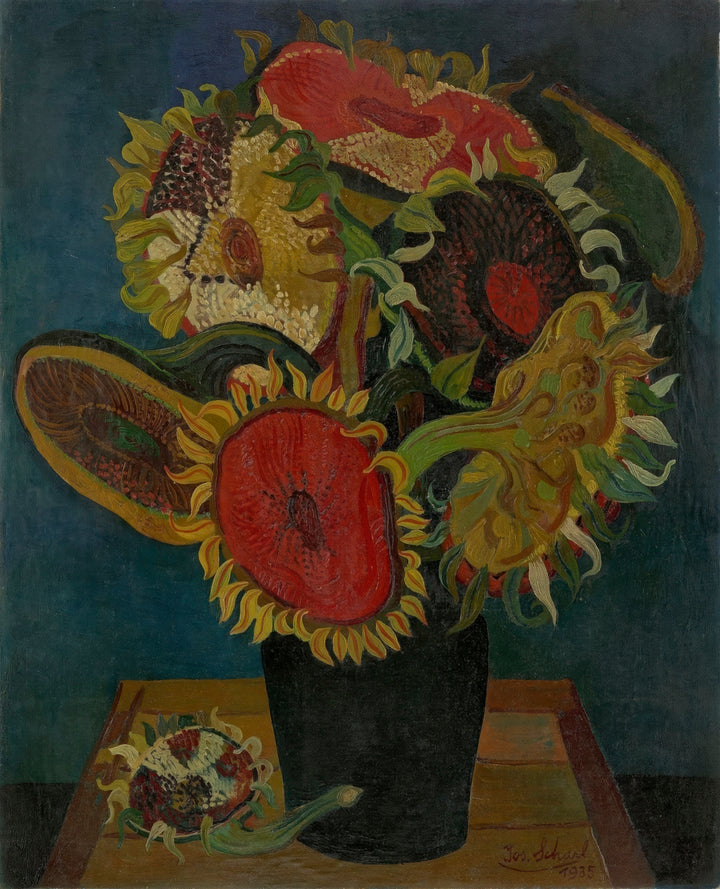
Sunflowers
Josef Scharl
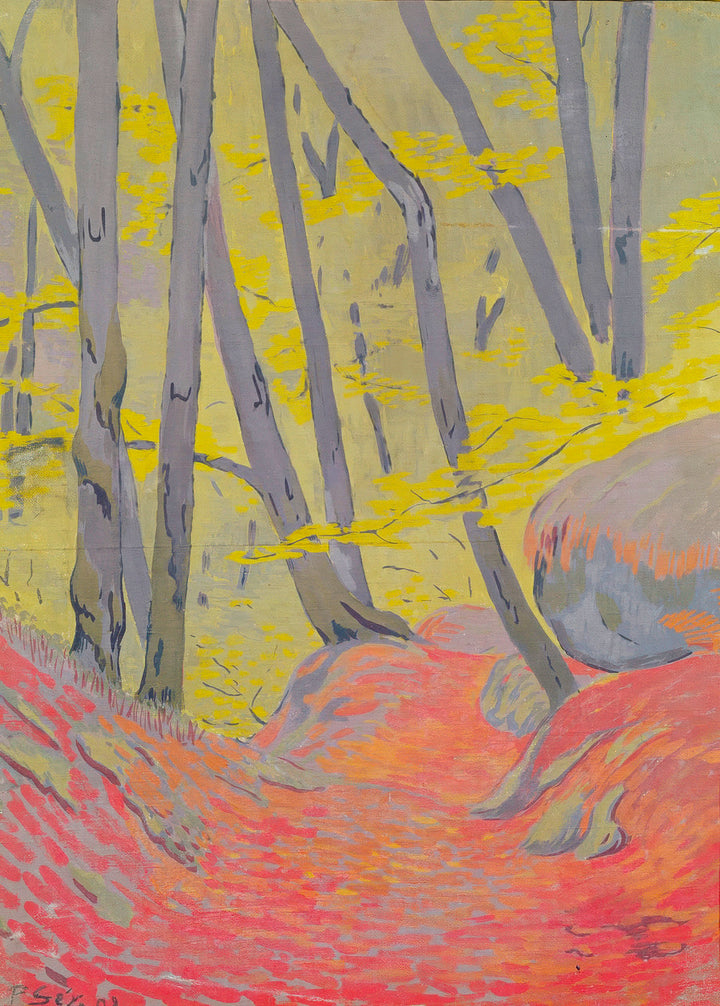
Undergrowth
Paul Sérusier
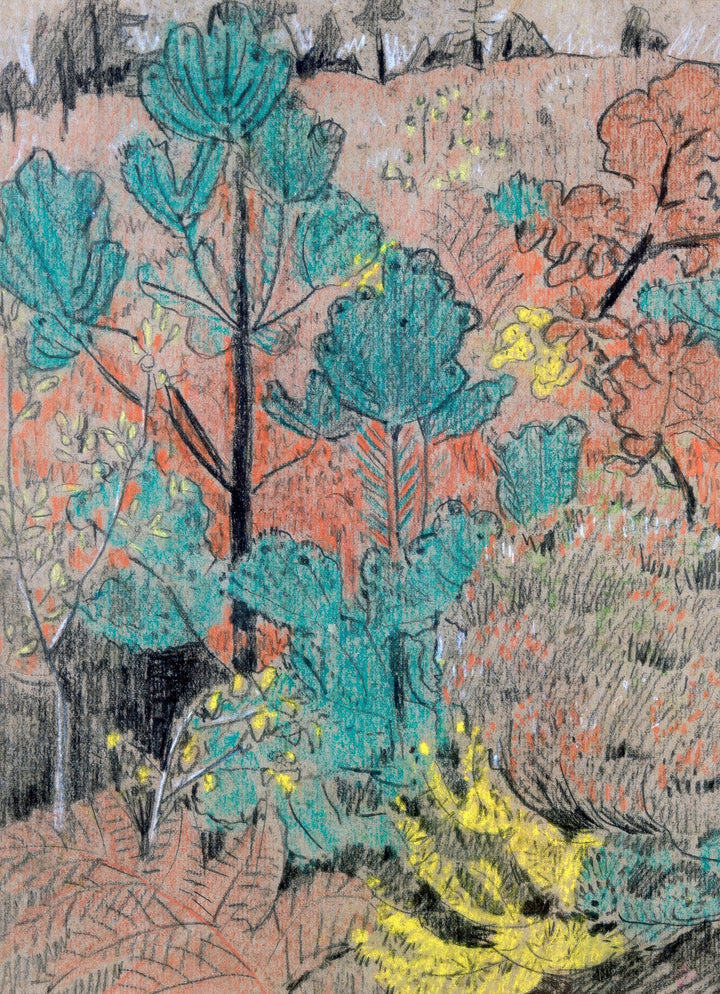
Under Wood
Paul Sérusier

Norrland Winter Landscape
Helmer Osslund
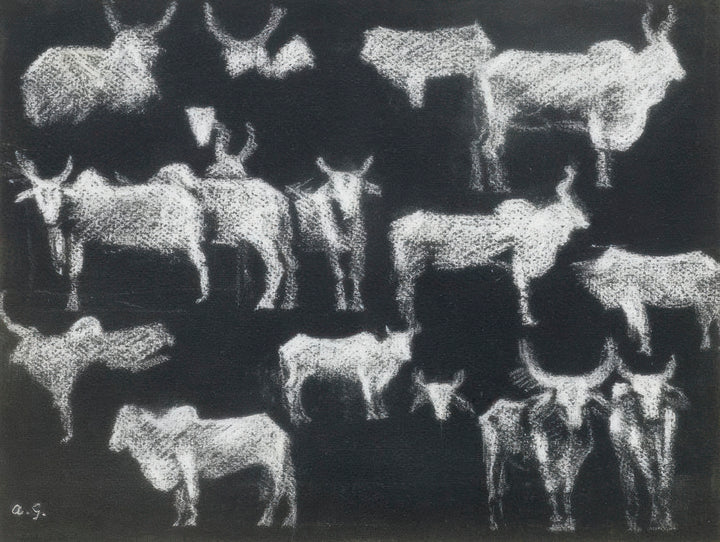
Zebus
Augusto Giacometti
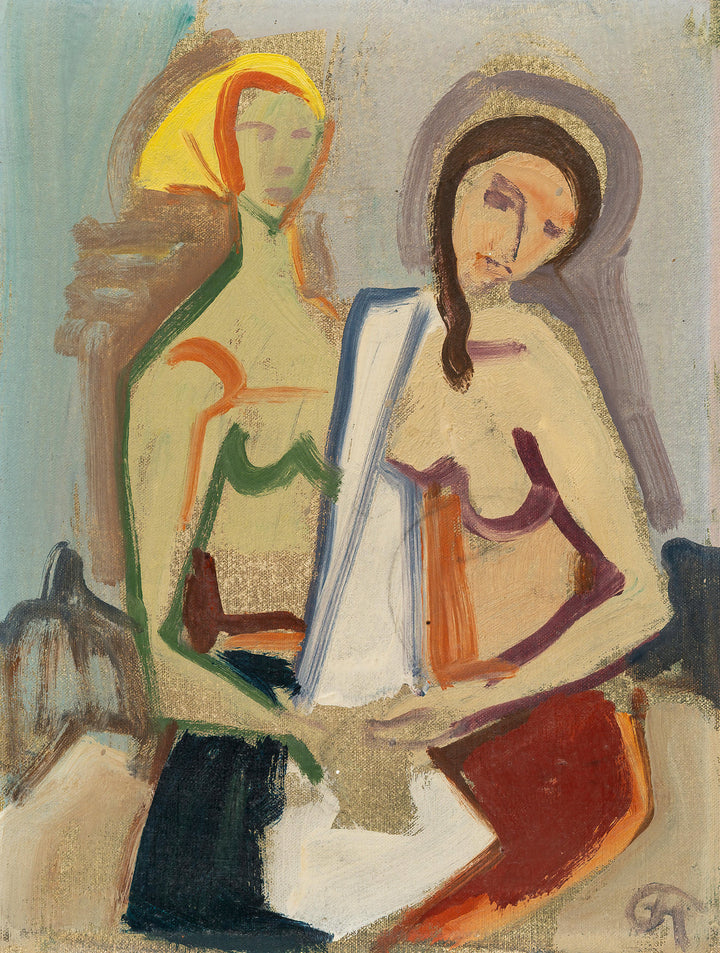
Study with Two Women
Karl Hofer
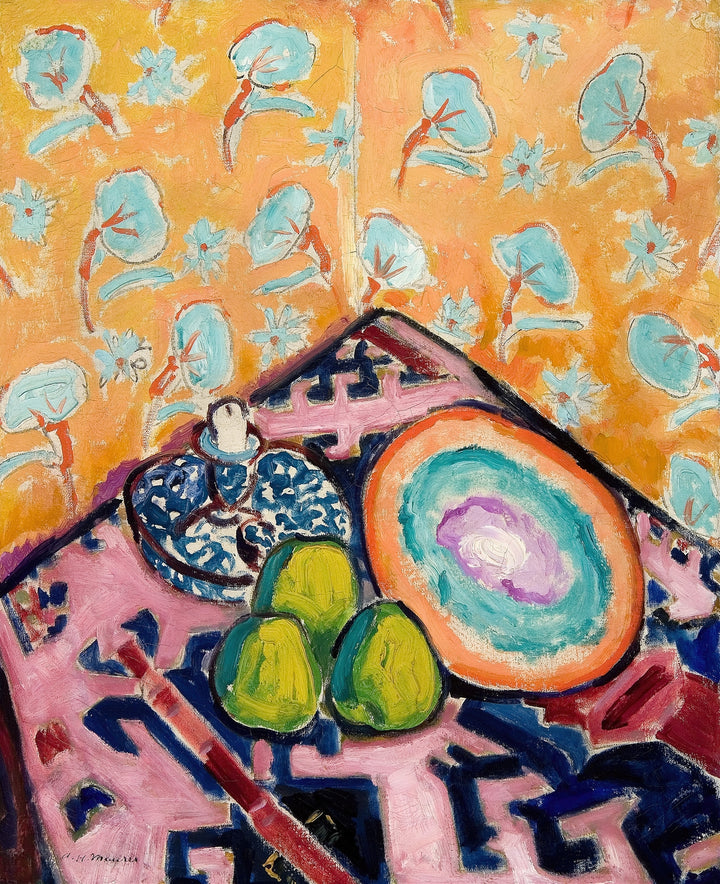
Still Life
Alfred Henry Maurer
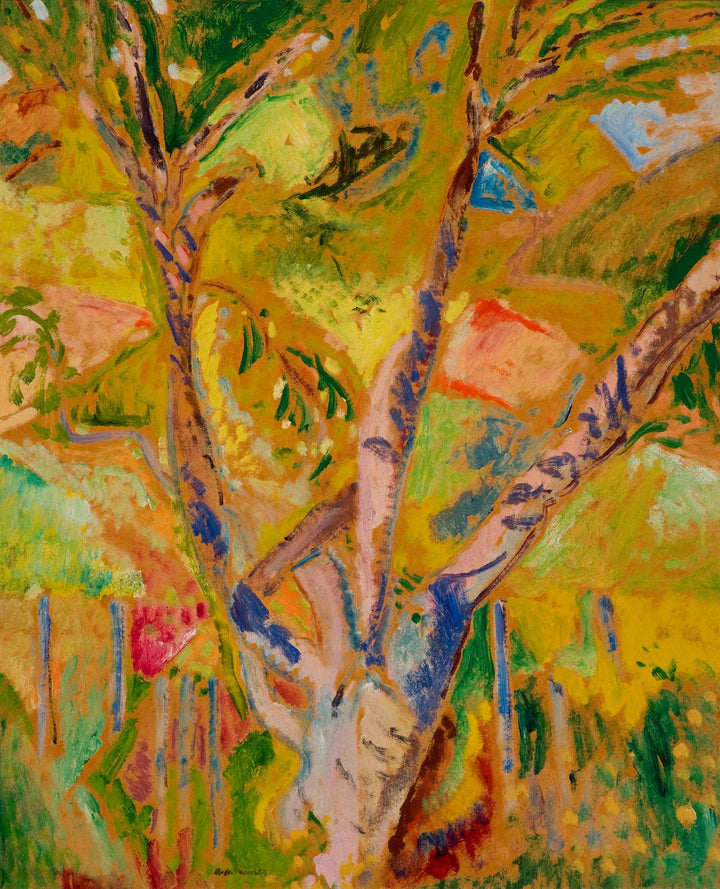
Landscape of Provence
Alfred Henry Maurer
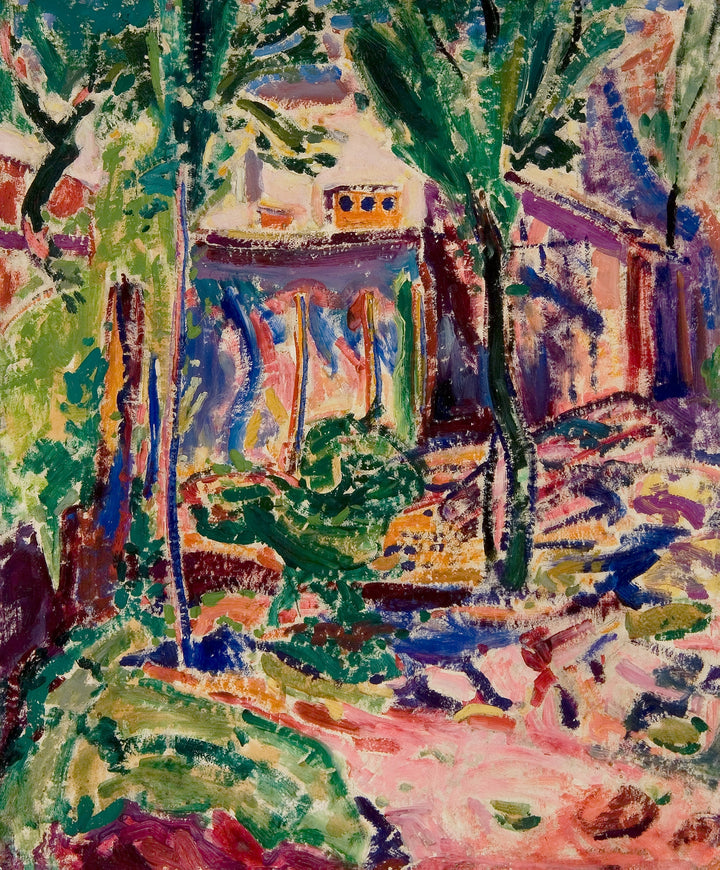
Landscape with House
Alfred Henry Maurer
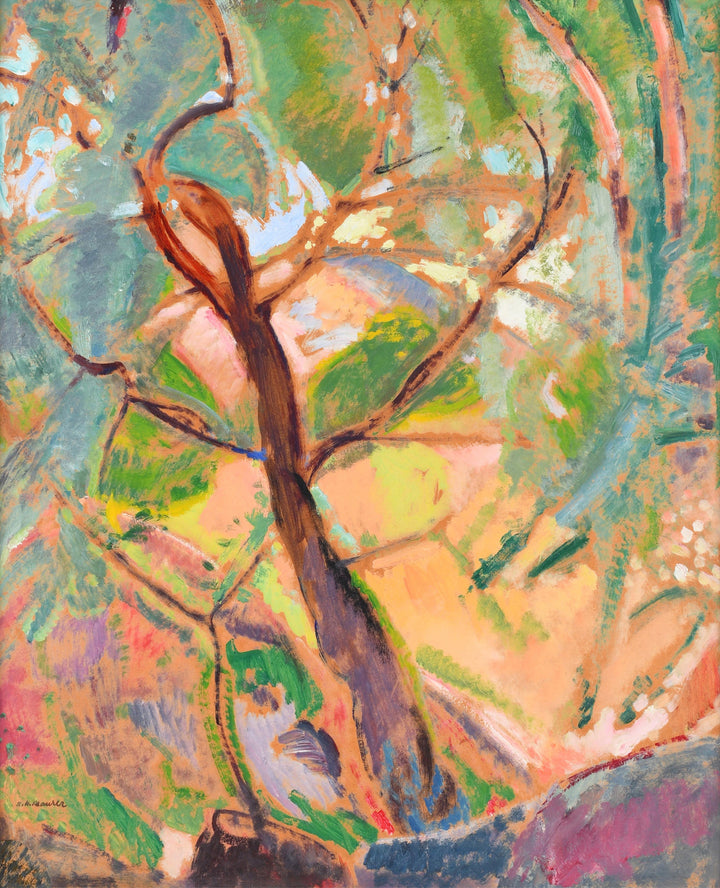
Landscape I
Alfred Henry Maurer
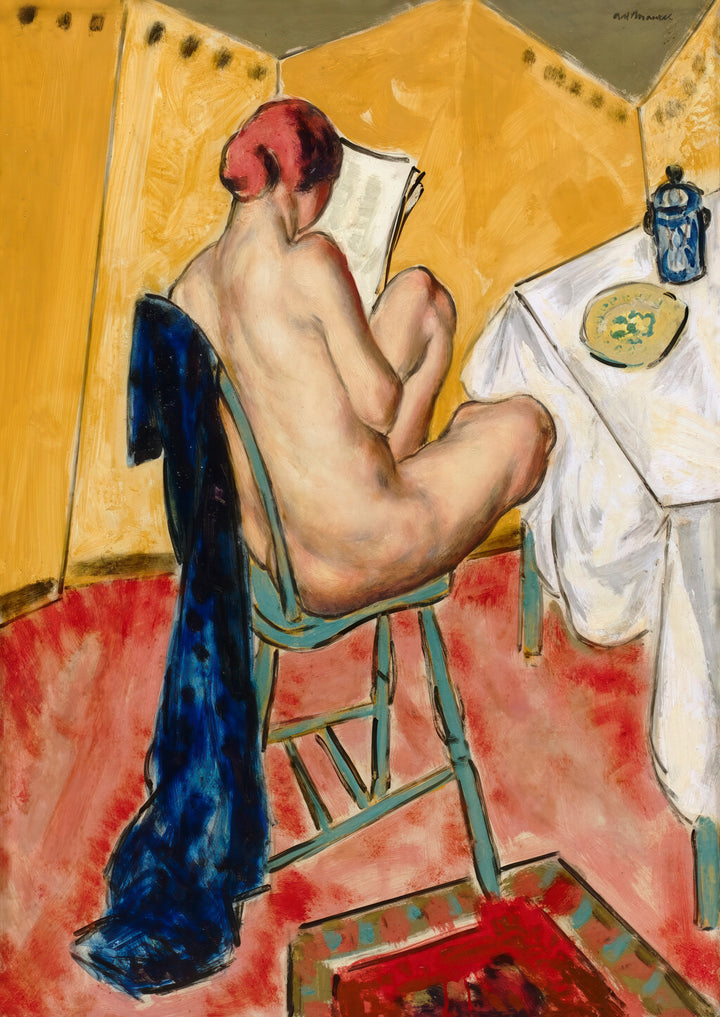
The Yellow Screen
Alfred Henry Maurer
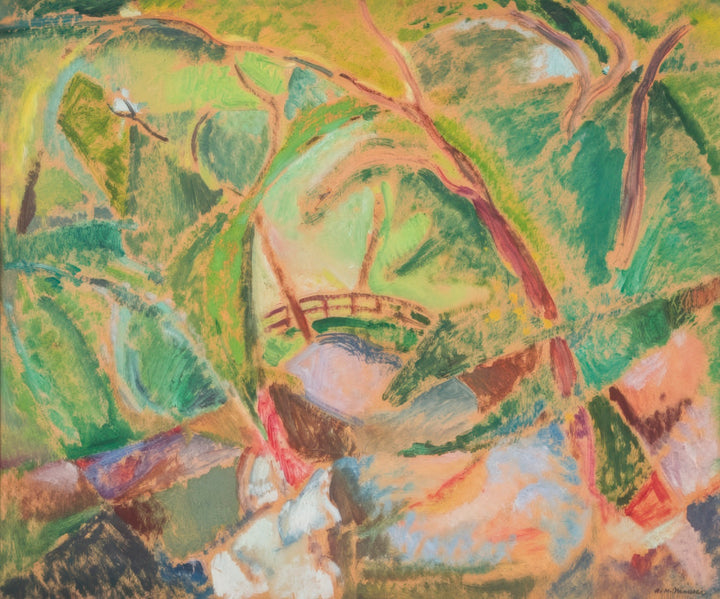
The Bridge
Alfred Henry Maurer

Explore by interior style
-
Modern Folk
For people who love the irregular, the hand-built, and intentionally rough forms. Spaces that feel shaped by use, not by trends. Perfection is not allowed.

-
Cottagecore
Pastoral scenes, soft light, domestic calm. Art that lingers on gardens, windows, and the romance of everyday life. A visual exhale.

-
Cosmic Feminine
Symbolic, intuitive, and otherworldly. Art that feels channeled or divinely intuited — spirit paintings, theosophical color, non-objective form.

-
Americana
Wide skies, frontier landscapes, colonial portraiture. The visual mythology of romanticized American history.

-
Heritage Eclectic
Portraits, interiors, objects with a past. Art that looks like it’s lived a long life before it found your wall. Put it in a vintage frame.

-
French Romantic
Soft drama, candlelight, longing. Art that feels intimate and slightly theatrical, like a scene from a Baudelaire novel.

-
Modern Medievalism
Flat perspectives, tapestry motifs, medieval panel painting. From monastic restraint to jewel-toned maximalism.

-
Midcentury Modern
Graphic forms, sculptural compositions, strong silhouettes. Art that plays with structure but leaves room for warmth.

-
Organic Modern
Soft abstraction, muted landscapes, quiet botanicals. Warm tones, natural light, nothing competing for attention.

-
Dark Maximalism
Dutch still life, sottobosco, vanitas. Art that looks best in candlelight.


For people who love the irregular, the hand-built, and intentionally rough forms. Spaces that feel shaped by use, not by trends. Perfection is not allowed.

Pastoral scenes, soft light, domestic calm. Art that lingers on gardens, windows, and the romance of everyday life. A visual exhale.

Symbolic, intuitive, and otherworldly. Art that feels channeled or divinely intuited — spirit paintings, theosophical color, non-objective form.

Wide skies, frontier landscapes, colonial portraiture. The visual mythology of romanticized American history.

Portraits, interiors, objects with a past. Art that looks like it’s lived a long life before it found your wall. Put it in a vintage frame.

Soft drama, candlelight, longing. Art that feels intimate and slightly theatrical, like a scene from a Baudelaire novel.

Flat perspectives, tapestry motifs, medieval panel painting. From monastic restraint to jewel-toned maximalism.

Graphic forms, sculptural compositions, strong silhouettes. Art that plays with structure but leaves room for warmth.

Soft abstraction, muted landscapes, quiet botanicals. Warm tones, natural light, nothing competing for attention.

Dutch still life, sottobosco, vanitas. Art that looks best in candlelight.



If you Like Niche + Intellectual:
The Banned Art collection surveys early twentieth-century avant-garde works confiscated by the Nazi regime for the 1937 Entartete Kunst exhibition. The selected prints offer a material record of an artistic period that prioritized structural abstraction and psychological depth over classical representation.
For those who think in layers. Tapestries, rugs, chinoiserie, and decorative arts that bring warmth, pattern, and character to a space.
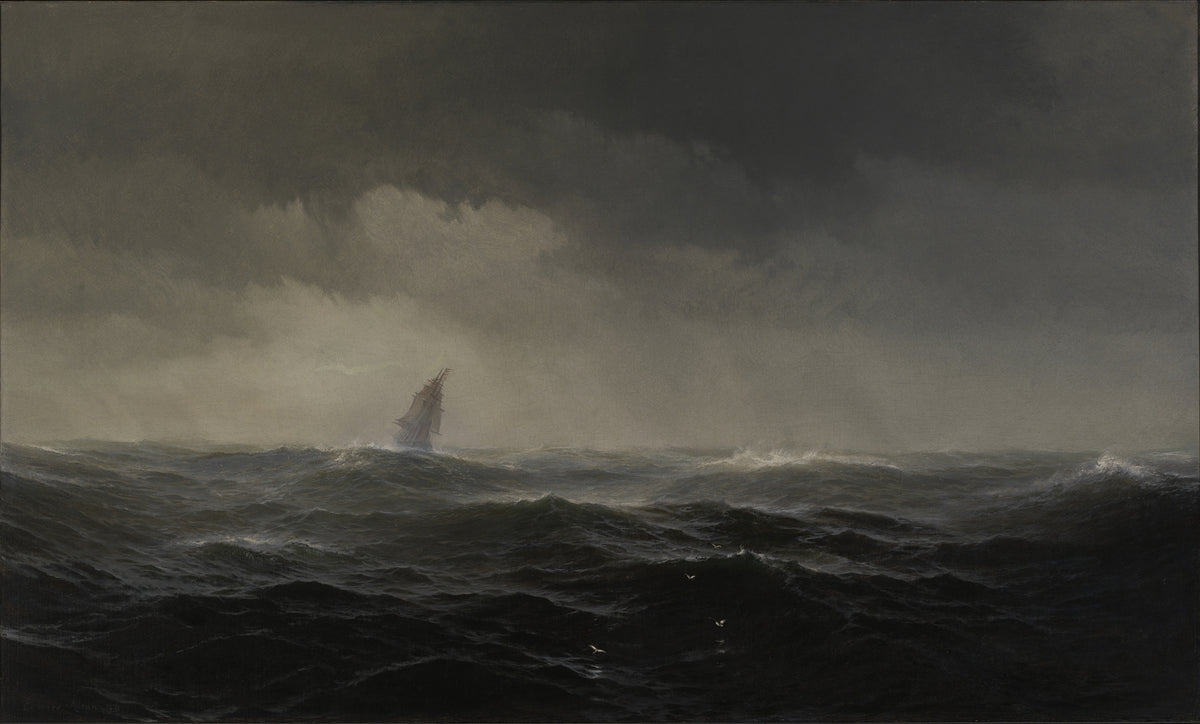
Uncanny landscapes vibrating with uncertainty, memory, anticipation, and the feeling that something is approaching from beyond the horizon.
For centuries, women in art were the subject — painted by men, posed by men, interpreted through the male gaze. These works reverse that orientation entirely. Different artists, different eras, all painted by women.
The parallel society of 19th century Paris — courtesans, cabaret performers, artists. This milieu produced a disproportionate amount of the most important work of the period, mostly because the painters were part of it.
The nude has been central to art for centuries—studied, stylized, and endlessly reinterpreted. These are the works that foreground the body as both subject and idea.
Intellectual longing, melancholy, decay. The romanticization of intellectual suffering has a long artistic lineage: Rembrandt's scholars, Caspar David Friedrich's solitary figures, Byron dying glamorously abroad. The aesthetic borrowed its visual vocabulary from Northern European painting and the old master palette.
Explore Our Resources


